Transform Your Life with Hatha Yoga Classes
Yoga has become a popular practice for many seeking balance, flexibility, and peace of mind. Among the various styles, Hatha Yoga stands out as a foundational practice that can transform your life in numerous ways. This blog post will explore the benefits of Hatha Yoga classes, what to expect, and how to get started on your journey toward a healthier, more balanced life.
Understanding Hatha Yoga
Hatha Yoga is often seen as the umbrella term for all physical yoga practices. It combines various postures (asanas), breathing techniques (pranayama), and meditation to create a holistic approach to well-being. The word "Hatha" translates to "force," signifying the physical aspect of yoga that helps practitioners build strength and flexibility.
The Core Principles of Hatha Yoga
Postures (Asanas): Hatha Yoga includes a variety of poses that promote physical strength, flexibility, and balance. Each pose has specific benefits, from improving posture to enhancing circulation.
Breathing Techniques (Pranayama): Breath control is a vital part of Hatha Yoga. Learning to regulate your breath can help reduce stress and increase mental clarity.
Meditation: Hatha Yoga encourages mindfulness and meditation, allowing practitioners to connect with their inner selves and cultivate a sense of peace.
Benefits of Hatha Yoga
Hatha Yoga offers a multitude of benefits that can positively impact your physical, mental, and emotional well-being. Here are some key advantages:
Physical Benefits
Increased Flexibility: Regular practice of Hatha Yoga can significantly improve your flexibility, making daily activities easier and reducing the risk of injury.
Enhanced Strength: Many poses require you to support your body weight in different ways, leading to improved muscle strength and endurance.
Better Posture: Hatha Yoga emphasizes alignment and body awareness, which can help correct poor posture and alleviate back pain.
Mental Benefits
Stress Reduction: The combination of movement, breath, and meditation helps to calm the mind and reduce stress levels.
Improved Focus: Practicing mindfulness during Hatha Yoga can enhance your concentration and mental clarity, making it easier to tackle daily challenges.
Emotional Balance: Hatha Yoga encourages self-reflection and emotional awareness, helping you manage your emotions more effectively.
Spiritual Benefits
Self-Discovery: Hatha Yoga provides a space for self-exploration and personal growth, allowing you to connect with your true self.
Mind-Body Connection: The practice fosters a deeper understanding of the connection between your body and mind, promoting overall well-being.
What to Expect in Hatha Yoga Classes
If you're new to Hatha Yoga, you may wonder what to expect in a typical class. Here’s a breakdown of the structure and elements commonly found in Hatha Yoga sessions.
Class Structure
Warm-Up: Classes usually begin with gentle stretches and breathing exercises to prepare the body for more intense poses.
Asana Practice: The instructor will guide you through a series of poses, focusing on alignment and breath. Expect a mix of standing, seated, and balancing poses.
Cool Down: Classes typically end with restorative poses and a short meditation, allowing you to relax and absorb the benefits of your practice.
Class Environment
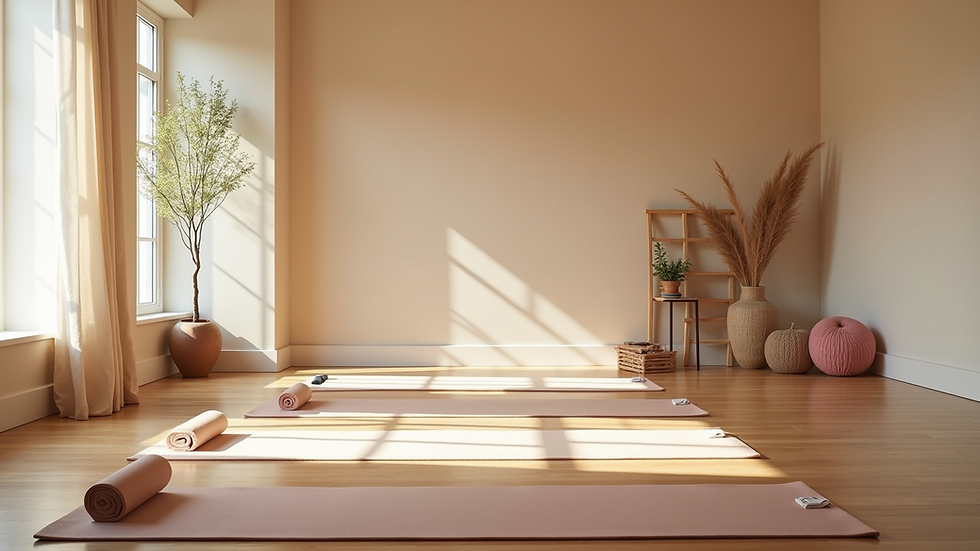
Hatha Yoga classes are often held in serene environments, such as yoga studios or peaceful outdoor settings. The atmosphere is usually calm, with soft lighting and soothing music to enhance relaxation.
Instructor Guidance
Instructors play a crucial role in Hatha Yoga classes. They provide guidance on proper alignment, modifications for different skill levels, and encouragement to help you deepen your practice. Don't hesitate to ask questions or seek assistance if you're unsure about a pose.
Getting Started with Hatha Yoga
Embarking on your Hatha Yoga journey can be both exciting and daunting. Here are some practical steps to help you get started.
Find a Class
Look for local studios or community centers that offer Hatha Yoga classes. Many places provide introductory sessions or trial classes, allowing you to explore different instructors and styles.
Gather Your Gear
While you don't need much to start practicing Hatha Yoga, having a few essentials can enhance your experience:
Yoga Mat: A non-slip mat provides cushioning and stability during poses.
Comfortable Clothing: Wear breathable, stretchy clothing that allows for movement.
Water Bottle: Staying hydrated is essential, especially during practice.
Set Realistic Goals
As a beginner, it's important to set achievable goals. Focus on consistency rather than perfection. Aim to practice a few times a week, gradually increasing the duration and intensity of your sessions.
Listen to Your Body
Hatha Yoga is about connecting with your body and respecting its limits. If you feel discomfort or pain, modify the pose or take a break. Remember, yoga is a personal journey, and it's essential to honor your unique experience.
Common Hatha Yoga Poses
Familiarizing yourself with some common Hatha Yoga poses can help you feel more comfortable in class. Here are a few foundational poses to know:
Mountain Pose (Tadasana)
This standing pose promotes good posture and grounding. Stand tall with your feet together, arms at your sides, and focus on your breath.
Downward-Facing Dog (Adho Mukha Svanasana)
A staple in many yoga practices, this pose stretches the entire body and strengthens the arms and legs. Start on your hands and knees, then lift your hips up and back, forming an inverted V shape.
Warrior I (Virabhadrasana I)
This powerful pose builds strength and stability. Step one foot back, bend the front knee, and raise your arms overhead, gazing forward.
Child’s Pose (Balasana)
A restorative pose that encourages relaxation. Kneel on the mat, sit back on your heels, and stretch your arms forward while resting your forehead on the ground.
Tips for a Successful Hatha Yoga Practice
To make the most of your Hatha Yoga experience, consider these helpful tips:
Practice Regularly: Consistency is key to reaping the benefits of yoga. Aim for at least two to three classes per week.
Stay Open-Minded: Yoga is a journey of self-discovery. Embrace the process and be open to learning and growing.
Connect with Others: Joining a yoga community can provide support and motivation. Consider attending workshops or events to meet fellow practitioners.
Keep a Journal: Documenting your experiences can help you track your progress and reflect on your journey.
Conclusion
Hatha Yoga is more than just a physical practice; it’s a path to self-discovery, balance, and well-being. By incorporating Hatha Yoga classes into your routine, you can transform your life in profound ways. Whether you seek physical strength, mental clarity, or emotional balance, Hatha Yoga offers the tools to help you achieve your goals.
Take the first step today by finding a class that resonates with you and embracing the journey ahead. Your body, mind, and spirit will thank you.
Comments